
%20(4).png)

Choosing Peace: The Story of Himmatnagar
- We, The People Abhiyan
- Apr 1
- 3 min read
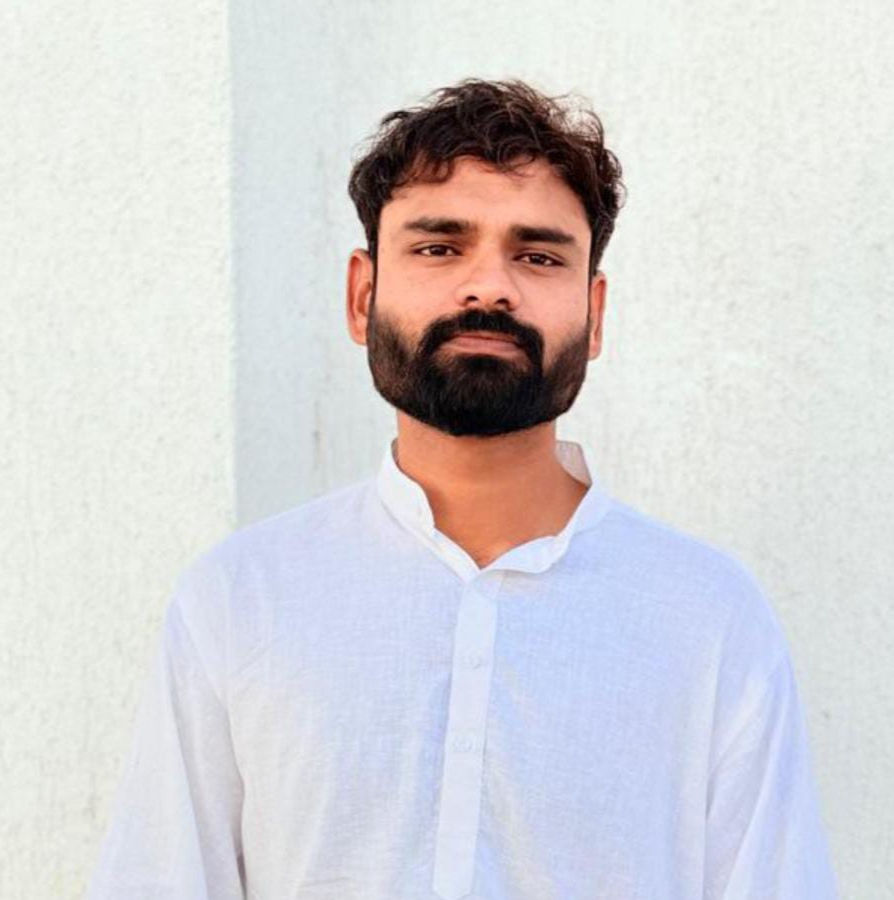
For the past three and a half years, there has been no major violence in the name of caste or religion in Lalpur, Parbada Bholeshwar, and some urban areas of Himmatnagar taluka in Sabarkantha district of Gujarat. The city is not free from tension. Like many towns, it carries layered social identities caste, religion, economic pressure, and political influence. However, instead of disagreements turning into street confrontations or online escalation, they are now first brought to a village-level peace committee.
The committee was formed as a response to recurring street fights between youth from Dalit and Muslim communities. At the centre of these efforts was Vahid the person who brought both communities to the same table, helped them resolve differences, and worked towards restoring peace in the city.
Vahid grew up observing religious and caste differences around him. Limited access to education and job opportunities often creates an echo chamber where youth can quickly absorb polarising ideas. With restricted employment options, limited exposure beyond the village, and growing access to divisive narratives through phones and social media, frustration accumulates easily. When there is no space to pause and reflect, identity becomes the first thing people hold on to.
As identity became the easiest ground for division, Vahid started creating spaces that encouraged interaction instead of separation spaces where youth could meet, talk, and play together. The Ekta Tournament became one such initiative. Sports teams were deliberately formed with youth from different communities playing together. The aim was simple to build connection, familiarity, and a sense of fraternity.
These initiatives grew out of Vahid’s work with the Institution for Studies and Transformation (IST) through its youth-focused program, Pehchaan. He began as a volunteer and later became a facilitator. Through this work, he focused on building youth capacity using a youth centre model, encouraging young people to understand their rights and responsibilities as active citizens. The aim was not just to prevent conflict, but to prepare youth to respond thoughtfully during tense situations.
Youth groups now engage communities in discussions on fundamental rights and how these apply in everyday life. They speak about current issues such as the Waqf Act, 1995 (which deals with the regulation and administration of Waqf properties) and the Special Intensive Revision (SIR) of electoral rolls related to elections. Recently, they have also begun working with the Preamble, helping youth reflect on its values and whether those values are practiced in everyday life.
This work slowly changed how conflicts were handled. Instead of reacting immediately, young people began asking: What is the right way to raise this issue?
His work with youth also includes practical steps how to approach officials, draft applications, and address problems through institutional channels instead of reacting impulsively. The Constitution becomes a working tool not just a document, but a language to frame local concerns. In his sessions, he often asks: “If we violate the rights of others, how can we speak of our own?”
Vahid continues to strengthen his own understanding. A We The People Abhiyan (WTPA) training, conducted in collaboration with IST, further sharpened his approach. Through focused discussions on the Constitution, he gained clarity on rights, procedures, and how to frame issues effectively in written complaints. This learning also helped in practical situations such as raising concerns about an open gutter near a school by highlighting children’s safety and daily risks, rather than directing blame.
Today, the peace committee continues to function, even when tensions surface. Disagreements still happen, but there is now a space people turn to first. That shift from reaction to conversation has made a visible difference, and Vahid takes pride in the community for making it possible.
The above story has been written and published with the explicit consent of the individual involved. All facts presented are based on WTPA's direct interaction with the individual, ensuring accuracy and integrity in our reporting.


Comments